AI for Cybersecurity: Protecting Future Business Assets
AI for Cybersecurity: Protecting Future Business Assets
The threat landscape is evolving at an unprecedented pace. Cyberattacks are becoming more sophisticated, frequent, and damaging, costing businesses billions of dollars annually. Traditional security measures are struggling to keep up, leaving organizations vulnerable to data breaches, ransomware attacks, and other malicious activities. AI for Cybersecurity: Protecting Future Business Assets is no longer a futuristic concept – it’s a critical necessity for businesses of all sizes to safeguard their valuable data, systems, and reputation. This article will explore how Artificial Intelligence (AI) is revolutionizing cybersecurity, offering a comprehensive look at its applications, benefits, and the challenges that lie ahead.
The Growing Threat Landscape
The rise of cybercrime is directly linked to the increasing complexity of attacks. Ransomware, for example, is becoming more targeted and sophisticated, often exploiting vulnerabilities in software and systems. Attackers are leveraging advanced techniques like phishing, social engineering, and supply chain attacks to infiltrate organizations. Furthermore, the proliferation of IoT devices – connecting billions of devices – creates a vast attack surface, making it difficult to monitor and secure all systems. Traditional signature-based security systems are increasingly ineffective against zero-day exploits and polymorphic malware, which constantly adapt to detection methods. The consequences of a successful cyberattack can be devastating, ranging from financial losses and reputational damage to legal liabilities and operational disruptions. Businesses that fail to proactively invest in cybersecurity are essentially gambling with their future.
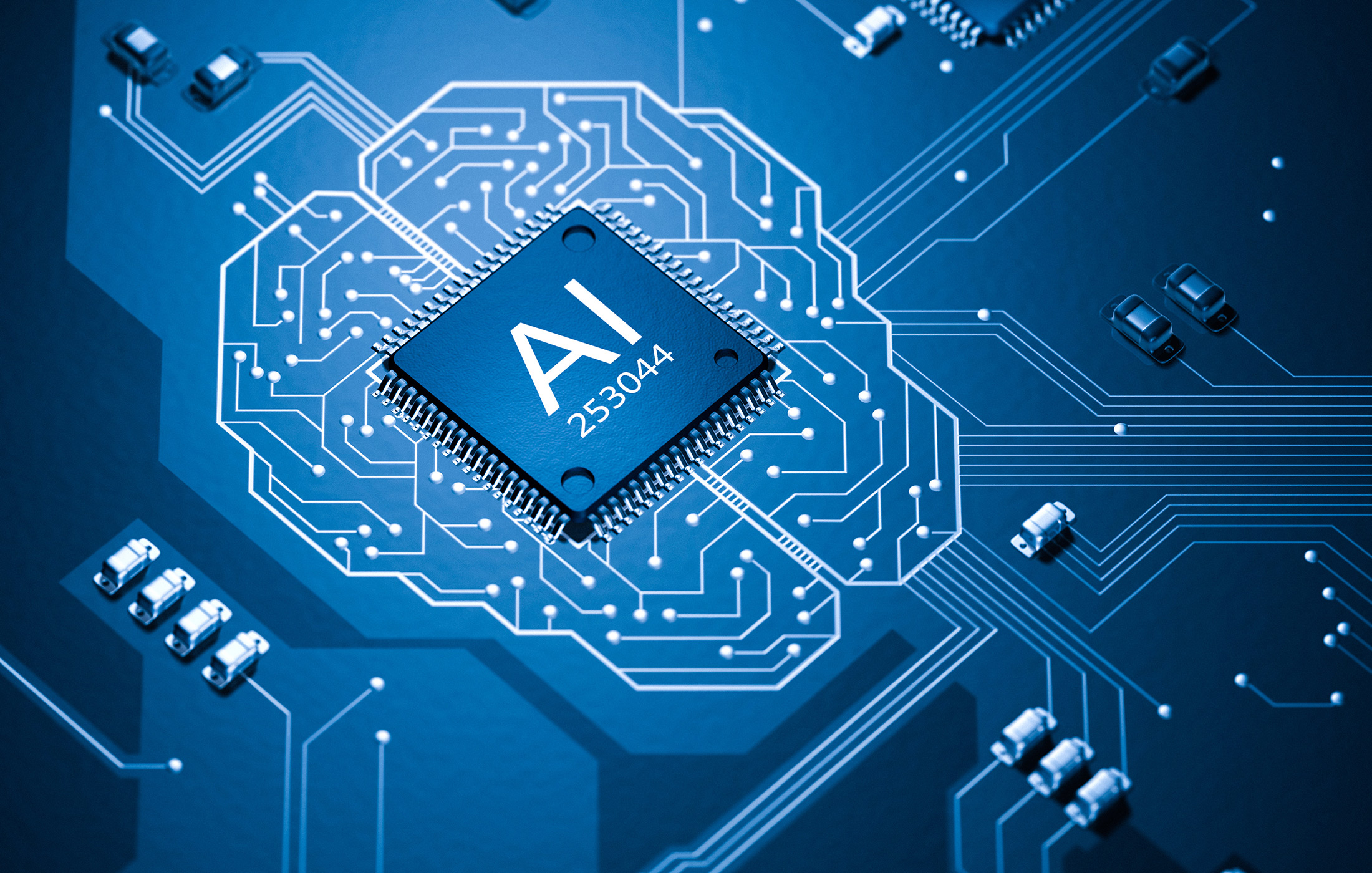
How AI is Transforming Cybersecurity
Artificial Intelligence is rapidly changing the way we approach cybersecurity. Rather than relying solely on reactive measures, AI-powered systems can proactively identify and respond to threats in real-time. Here’s a breakdown of key AI applications:
1. Threat Detection and Prevention
One of the most significant benefits of AI in cybersecurity is its ability to detect threats more effectively than traditional methods. AI algorithms can analyze massive amounts of data – network traffic, system logs, user behavior – to identify anomalies and patterns that indicate malicious activity. Machine learning models, specifically deep learning, are particularly adept at recognizing subtle indicators of attacks that might be missed by rule-based systems. For example, AI can learn to identify phishing emails with a higher degree of accuracy, flagging them as suspicious even before they reach the user’s inbox.
2. Automated Incident Response
Traditional incident response is often slow and reactive, involving manual investigation and remediation. AI-powered systems can automate many of these tasks, significantly reducing response times. They can automatically isolate infected systems, block malicious traffic, and gather forensic data to determine the scope and impact of an attack. This automation frees up human analysts to focus on more complex investigations and strategic response planning. Tools utilizing Natural Language Processing (NLP) can analyze security alerts and correlate them with threat intelligence feeds, providing a more comprehensive understanding of the situation.
3. Vulnerability Management
AI can play a crucial role in vulnerability management by continuously scanning systems for weaknesses and prioritizing remediation efforts. Machine learning models can analyze vulnerability data from multiple sources – vulnerability scanners, threat intelligence feeds, and internal security logs – to identify the most critical vulnerabilities and prioritize patching efforts. This proactive approach minimizes the risk of exploitation by attackers. Furthermore, AI can assist in generating prioritized remediation plans based on the potential impact of each vulnerability.
4. Security Information and Event Management (SIEM) Enhancement
SIEM systems are essential for collecting and analyzing security data, but they can be complex to manage and interpret. AI is enhancing SIEM capabilities by automating log analysis, correlating events, and identifying suspicious patterns. AI-powered SIEMs can reduce false positives, improving the efficiency of security analysts and allowing them to focus on genuine threats. They can also provide deeper insights into the root cause of security incidents, enabling organizations to prevent future occurrences.
Specific AI Technologies in Cybersecurity
Several AI technologies are particularly well-suited for cybersecurity:
5. Natural Language Processing (NLP)
NLP is used extensively for analyzing security alerts, threat intelligence reports, and user communications. It can automatically extract key information from unstructured data, such as emails and chat logs, to identify potential threats. NLP can also be used to automate the creation of security reports and dashboards.
6. Machine Learning (ML)
ML algorithms are the backbone of many AI-powered security solutions. Different types of ML, including supervised, unsupervised, and reinforcement learning, are employed for various cybersecurity tasks. Supervised learning is used for training models to recognize specific types of threats, while unsupervised learning is used for identifying anomalies and patterns.
7. Deep Learning
Deep learning, a subset of ML, is particularly effective for analyzing complex data, such as network traffic and malware samples. Deep neural networks can automatically learn features from raw data, reducing the need for manual feature engineering.
Challenges and Considerations
While AI offers tremendous potential for cybersecurity, it’s not a silver bullet. Several challenges need to be addressed:
8. Data Quality and Availability
AI models are only as good as the data they are trained on. Poor data quality, incomplete data, or lack of data can significantly impact the performance of AI-powered security systems. Organizations need to invest in data governance and data quality initiatives to ensure that their AI models are trained on reliable data.
9. Explainability and Trust
The “black box” nature of some AI algorithms can make it difficult to understand how they arrive at their decisions. This lack of explainability can hinder trust and adoption, particularly in regulated industries. Researchers are working on developing more explainable AI (XAI) techniques to improve transparency.
10. Adversarial AI
Attackers are increasingly employing adversarial AI techniques to evade AI-powered security systems. These techniques involve crafting malicious inputs that are designed to fool AI models. Organizations need to be aware of these threats and implement defenses against adversarial attacks.
The Future of AI in Cybersecurity
The future of cybersecurity is inextricably linked to the continued advancement of AI. We can expect to see even more sophisticated AI-powered security solutions emerge, including:
11. Autonomous Security Operations
Autonomous security operations – systems that can independently detect, respond to, and remediate threats – are becoming increasingly feasible. These systems will require a combination of AI, automation, and human oversight.
12. Predictive Security
Predictive security – systems that can anticipate and prevent future attacks – will be a key focus of cybersecurity research and development. AI will be instrumental in analyzing historical data and identifying patterns that indicate potential threats.
13. AI-Driven Threat Intelligence Platforms
Threat intelligence platforms will become even more sophisticated, leveraging AI to automatically gather, analyze, and disseminate threat intelligence to security teams.
Conclusion
AI for Cybersecurity: Protecting Future Business Assets represents a fundamental shift in how we approach cybersecurity. By leveraging the power of AI, organizations can significantly enhance their security posture, reduce their risk of cyberattacks, and protect their valuable data and systems. While challenges remain, the benefits of AI in cybersecurity are undeniable. Investing in AI-powered security solutions is no longer a luxury – it’s a strategic imperative for businesses seeking to thrive in the increasingly complex and dangerous digital landscape. Organizations that embrace AI will be best positioned to safeguard their future and maintain a competitive advantage.
Post a Comment for "AI for Cybersecurity: Protecting Future Business Assets"